

glass wall panels exterior
The Slow Closing Check Valve from Storaen (Cangzhou) International Trading Co. represents a significant advancement in fluid control technology. Designed to address the challenges of rapid valve closure and water hammer effects, this innovative product combines engineering precision with practical functionality. In this article, we explore its features, advantages, technical specifications, application scenarios, and the company's commitment to quality. Key Features of the Slow Closing Check Valve The Slow Closing Check Valve is engineered with a novel structure that ensures optimal performance in demanding industrial environments. Its design prioritizes good sealing effect , minimizing leakage and enhancing system reliability. The valve also offers low resistance and large flow capacity , allowing for efficient fluid movement without compromising pressure integrity. Additionally, its long service life reduces maintenance costs and downtime, making it a cost-effective solution for various applications. A standout feature is the valve's ability to control the speed of opening or closing the main valve. This adjustability enables users to fine-tune the system to match specific operational conditions, ensuring smooth and controlled flow regulation. The slow-closing muffling effect further mitigates the risk of water hammer , a common issue in hydraulic systems that can lead to pipe damage and system failure. Advantages of the Slow Closing Check Valve The Slow Closing Check Valve offers several distinct advantages that set it apart from traditional check valves. Its adjustable closure speed allows for precise control over fluid dynamics, which is critical in applications requiring gradual pressure changes. This feature not only enhances safety but also extends the lifespan of connected equipment by reducing mechanical stress. The valve's low resistance ensures minimal energy loss during fluid flow, contributing to overall system efficiency. This is particularly beneficial in industries where energy conservation is a priority. Furthermore, the robust sealing mechanism prevents leaks, which is essential for maintaining the integrity of pipelines and preventing environmental contamination. Another notable advantage is the long service life of the valve. Constructed from high-quality materials, it is designed to withstand harsh operating conditions, including high pressure and corrosive environments. This durability reduces the frequency of replacements, saving both time and resources for end-users. Technical Specifications Parameter Details Model 300X Slow-Closing Muffler Check Valve Flow Rate Varies based on application; designed for large flow capacity Pressure Range Up to 10 MPa (depending on configuration) Materials Stainless steel and corrosion-resistant alloys Sealing Mechanism Advanced elastomer seals for leak-proof performance Adjustability Variable closure speed control for optimal operation Installation Easy integration into existing pipeline systems Application Scenarios The Slow Closing Check Valve is versatile and suitable for a wide range of industrial applications. In water treatment plants , it helps regulate flow rates and prevent water hammer, ensuring the longevity of pumps and pipelines. In the oil and gas industry , its ability to manage high-pressure fluid dynamics makes it ideal for hydraulic systems and control valves. The valve is also widely used in manufacturing processes , where precise control over fluid flow is critical. For example, in chemical processing , it ensures safe and efficient transfer of corrosive substances. In power generation , the valve contributes to the stability of cooling systems and steam turbines by mitigating pressure fluctuations. Additionally, the Slow Closing Check Valve is beneficial in residential and commercial plumbing systems . Its muffling effect reduces noise caused by rapid valve closure, enhancing user comfort. This makes it a preferred choice for applications where quiet operation is essential. About Storaen (Cangzhou) International Trading Co. Storaen (Cangzhou) International Trading Co. is a leading provider of industrial components, specializing in fluid control solutions . With a focus on innovation and quality, the company has established itself as a trusted partner for businesses worldwide. Their commitment to technical excellence and customer satisfaction is evident in the design and performance of their products. Storaen's expertise in hydraulic systems and industrial valves is supported by a team of experienced engineers and technicians. The company adheres to strict quality control standards, ensuring that every product meets international benchmarks. This dedication to precision and reliability has enabled Storaen to serve a diverse clientele across various sectors. As highlighted by the National Institute of Standards and Technology (NIST) , precision in industrial components is critical for operational efficiency and safety (NIST, 2025). Storaen's Slow Closing Check Valve exemplifies this principle, offering a solution that aligns with the evolving demands of modern industries. Conclusion The Slow Closing Check Valve from Storaen (Cangzhou) International Trading Co. is a testament to advanced engineering and practical design. Its ability to control flow rates, reduce water hammer, and ensure long-term reliability makes it an indispensable component in industrial systems. Whether in water treatment, oil and gas, or manufacturing, this valve delivers exceptional performance and value. For businesses seeking a high-quality, durable, and efficient solution for fluid control, the Slow Closing Check Valve is an excellent choice. By investing in this product, companies can enhance their operational efficiency, reduce maintenance costs, and ensure the safety of their systems. Storaen's commitment to innovation and quality ensures that their products continue to meet the highest standards of performance and reliability. References National Institute of Standards and Technology (NIST) . (2025). Advancing Technology through Precision Measurements . Retrieved from https://www.nist.gov/
about
glass wall panels exterior
In precision machining, ensuring the accuracy of threaded components is critical to maintaining product quality and functionality. Threaded ring gauges are indispensable tools for verifying the dimensional correctness of external threads, such as those on bolts, screws, and studs. Understanding tolerance grades—the permissible limits of variation in thread dimensions—is essential for machinists to meet industry standards and deliver reliable parts. This article explores the use of thread gauge tools, the role of threaded ring gauge systems, adherence to thread ring gauge standard specifications, and the advantages of adjustable thread gauge designs. By the end, machinists will gain actionable insights into selecting and applying these tools effectively. The Essential Use of Thread Gauge in Precision Machining The use of thread gauge tools is foundational to quality control in manufacturing. These gauges verify that threads conform to specified tolerances, ensuring compatibility with mating components. For external threads, a threaded ring gauge acts as a “go/no-go” device: if the threaded part passes smoothly through the “go” gauge but stops at the “no-go” gauge, the thread is within acceptable limits. Tolerance grades, defined by standards like ISO (International Organization for Standardization) and ASME (American Society of Mechanical Engineers), dictate how much deviation is permissible. For example, a Grade 6H threaded ring gauge might be used for general-purpose applications, while a tighter Grade 4H could be reserved for high-precision aerospace components. Machinists must match the gauge’s tolerance grade to the part’s intended function to avoid over- or under-engineering. Proper use of thread gauge tools also requires attention to environmental factors. Temperature fluctuations, debris, or wear on the gauge can skew measurements. Regular calibration against master gauges ensures long-term accuracy. Threaded Ring Gauge and Its Role in Tolerance Verification A threaded ring gauge is a cylindrical tool with internal threads machined to precise dimensions. It serves as a physical reference to validate the pitch diameter, thread angle, and pitch of external threads. Tolerance grades for these gauges are classified using alphanumeric codes (e.g., 6H, 4G), where the number indicates the tolerance level and the letter specifies the fundamental deviation (allowance). For instance, a threaded ring gauge labeled 6H has a medium tolerance grade suitable for most industrial applications. In contrast, a 4H gauge offers tighter tolerances for critical components. Machinists must select the grade based on the part’s design requirements. Over-tightening tolerances can increase production costs, while overly lenient grades risk part failure. The design of a threaded ring gauge also matters. Hardened steel construction ensures durability, while chrome plating reduces wear. Some gauges feature a notch or marking to distinguish “go” from “no-go” sections, streamlining inspections on the shop floor. Adhering to Thread Ring Gauge Standard Specifications Compliance with thread ring gauge standard protocols is non-negotiable in regulated industries. Standards like ISO 1502 (general metric threads) and ASME B1.2 (UNJ threads) define gauge dimensions, tolerance grades, and inspection methods. These specifications ensure uniformity across suppliers and guarantee global interoperability of threaded parts. A thread ring gauge standard typically mandates: Material properties: Gauges must resist deformation and wear. Dimensional accuracy: Pitch diameter deviations must fall within micron-level ranges. Marking requirements: Clear identification of tolerance grade and thread type. Manufacturers producing threaded ring gauges in bulk must rigorously test samples against certified master gauges. Statistical process control (SPC) methods help maintain consistency across large batches. Deviations from thread ring gauge standard guidelines can lead to rejected parts, production delays, or even safety recalls. Advantages of an Adjustable Thread Gauge for Flexible Applications While fixed threaded ring gauges are common, an adjustable thread gauge offers unique benefits. These gauges feature a mechanism (e.g., a split design with a screw adjustment) that allows machinists to fine-tune the internal thread dimensions. This flexibility is invaluable for prototyping or low-volume production runs where multiple tolerance grades might be needed. An adjustable thread gauge can mimic various tolerance grades by altering the pitch diameter. For example, adjusting the gauge to a tighter setting simulates a higher-grade (e.g., 4H) inspection without requiring multiple fixed gauges. However, adjustability introduces complexity: users must ensure the gauge remains locked during measurements to prevent drift. Despite this, the adjustable thread gauge is cost-effective for workshops handling diverse projects. It reduces the need to stock numerous fixed gauges, saving storage space and upfront costs. FAQs About Threaded Ring Gauges How does the use of thread gauge tools improve manufacturing accuracy? The use of thread gauge ensures threads meet predefined tolerance grades, preventing mismatches in assemblies. By physically testing parts against “go/no-go” criteria, machinists catch errors early, reducing scrap rates. What distinguishes a threaded ring gauge from other thread inspection tools? A threaded ring gauge is designed specifically for external threads, offering a quick pass/fail test. Other tools, like plug gauges or optical comparators, serve internal threads or detailed dimensional analysis. Why is compliance with thread ring gauge standard specifications critical? Adhering to thread ring gauge standard rules ensures parts are interchangeable across global supply chains. Non-compliance risks assembly failures, legal liabilities, or rejection by quality auditors. When should I choose an adjustable thread gauge over a fixed one? An adjustable thread gauge is ideal for environments requiring flexibility, such as prototyping or custom machining. Fixed gauges are better for high-volume production with consistent tolerance requirements. How do I maintain the accuracy of a threaded ring gauge? Store gauges in temperature-controlled environments, clean them after use of thread gauge inspections, and calibrate them regularly against certified master gauges. Mastering tolerance grades and the use of thread gauge systems empowers machinists to produce reliable, high-quality threaded components. Whether applying a fixed threaded ring gauge for bulk inspections or leveraging an adjustable thread gauge for versatility, adherence to thread ring gauge standard specifications remains paramount. By integrating these tools into daily workflows, manufacturers can uphold precision, reduce waste, and meet the exacting demands of modern industry.
-

High quality industrial productsagement

High quality industrial products
View Details -

Meet the diverse needs of customers

Meet the diverse needs of customers
View Details -

Strict quality control

Strict quality control
View Details -

Top raw materials

Top raw materials
View Details -

Trusted supplier

Trusted supplier
View Details
Our application
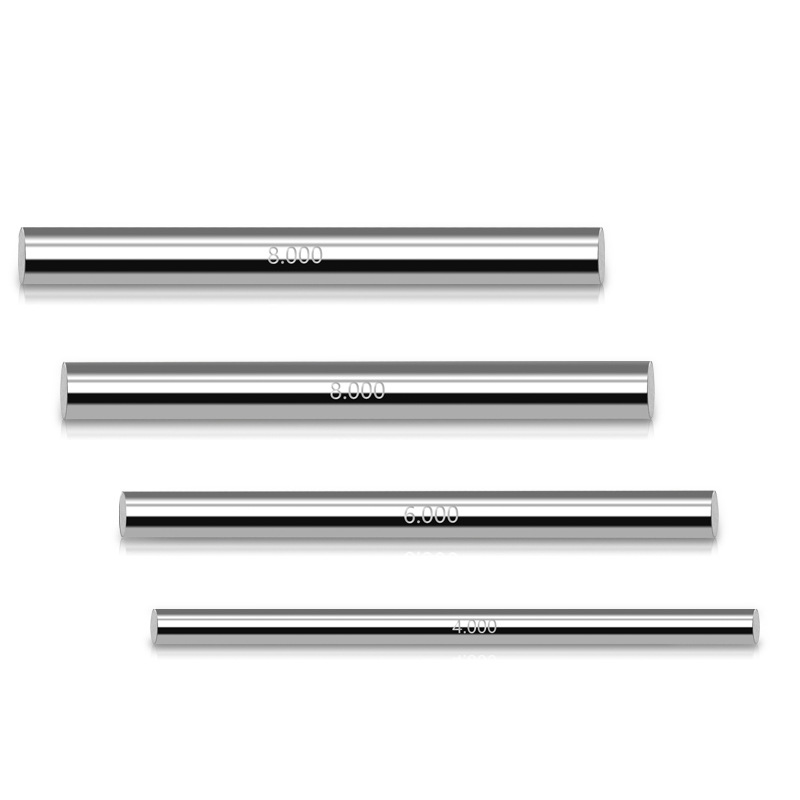


news and information
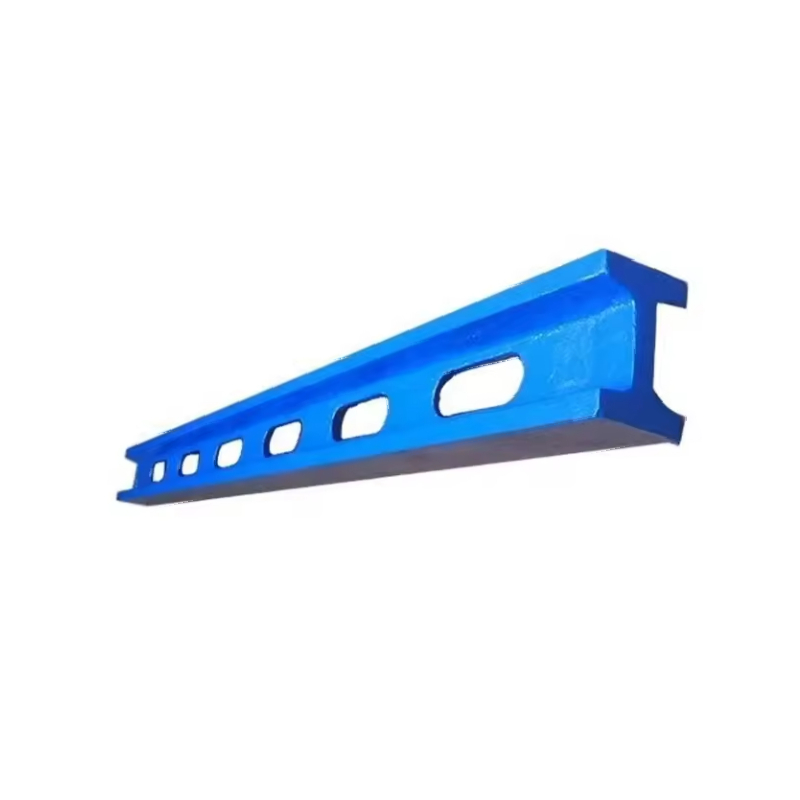
V Blocks for Sale_ Types, Uses, and Best Heavy-Duty Frame V Options
V blocks and Vee blocks are essential tools in machining, metalworking, and inspection processes. Th

Valvola di cancello a flangia da 6 pollici
Un componente essenziale nei sistemi di gestione dei fluidi industriali è la valvola a saracinesca f
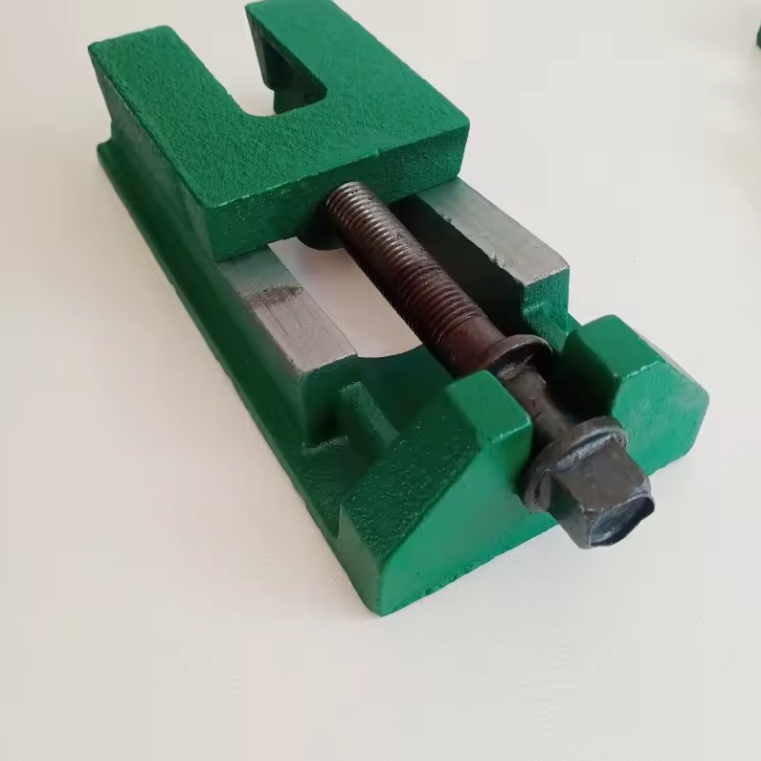
Varieties of ball valves and their unique characteristics in valve industry trends
Ball valves are an essential component in various industries, including oil and gas, water treatment
 English